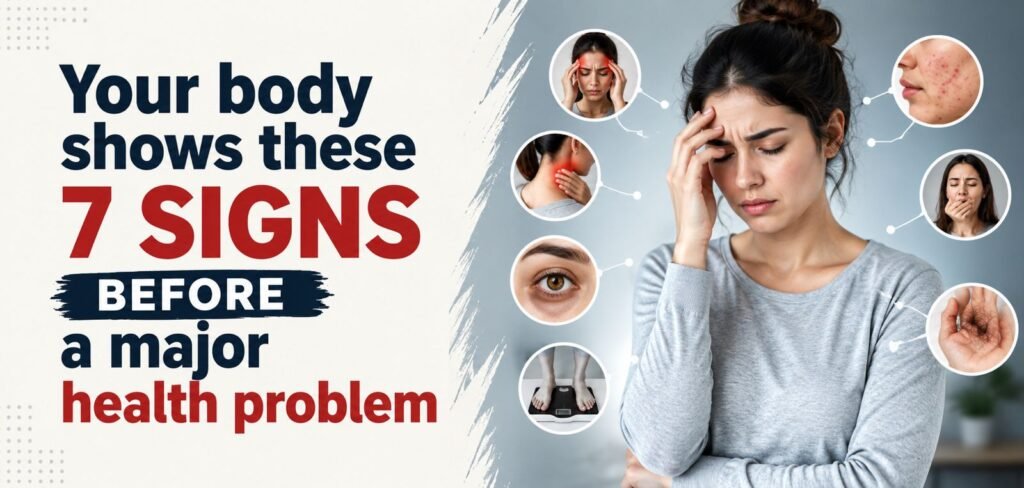
You know that feeling when something’s “just a bit off” but you brush it aside because you’re busy? I’ve done it more times than I’d like to admit. Learning to spot early signs of health problems isn’t about becoming a hypochondriac — it’s about listening before your body has to shout.
Most serious conditions don’t show up overnight. They whisper first. The trouble is, we’re all so used to pushing through fatigue, skipping meals, or blaming stress for everything that we miss the actual message.
Unexplained Fatigue That Sleep Doesn’t Fix
Early signs of health problems often start with tiredness that doesn’t go away no matter how much you rest. If you’re sleeping 7-8 hours and still dragging yourself through the day, something deeper might be going on — thyroid issues, anemia, or even early-stage diabetes can present this way.
Quick answer: Persistent fatigue despite adequate sleep is one of the most common early signs of health problems, often linked to thyroid disorders, low iron, or blood sugar imbalances. If it lasts more than two weeks, get a basic blood panel done.
Sudden Weight Changes You Didn’t Plan
Losing or gaining weight without changing your diet is a classic red flag among early signs of health problems. I had a colleague who dropped 6 kg in two months without trying — turned out to be undiagnosed hyperthyroidism. Don’t assume it’s “just stress.”
Skin, Hair, and Nail Changes
- Yellowish skin tone — could point to liver issues
- Nails that curve or become spoon-shaped — sometimes linked to iron deficiency
- Hair thinning in patches rather than gradually — worth a dermatologist visit
Digestive Trouble That Sticks Around
Occasional bloating? Normal. Bloating, constipation, or diarrhea that lasts weeks? That’s your gut trying to tell you something. These early signs of health problems are often dismissed as “something I ate,” but chronic digestive changes deserve attention, especially past age 40.
Breathlessness During Routine Activities
If climbing one flight of stairs leaves you winded and it didn’t three months ago, don’t ignore it. This is one of those early signs of health problems people rationalize away — “I’m just out of shape” — when it could be cardiovascular or respiratory.
Quick answer: New breathlessness during everyday activities like climbing stairs or walking short distances can signal heart or lung issues and should be checked within a week, not months.
Frequent Headaches or Vision Changes
A headache here and there is life. Headaches that are more frequent, more intense, or paired with blurred vision are different territory — blood pressure, vision strain, or something needing imaging.
Mood Shifts That Feel Physical
Irritability, low mood, or anxiety that seems to come from nowhere can sometimes have a physical root — vitamin D deficiency, hormonal shifts, or B12 deficiency are surprisingly common culprits in India, especially among people who don’t get much sun exposure.
Joint Pain Without Injury
Waking up stiff, especially in the same joints, without any injury? That’s worth flagging early rather than waiting until it becomes chronic arthritis.
Frequent Infections or Slow Healing
If you’re catching colds constantly or a small cut takes forever to heal, your immune system might be under strain — sometimes an early marker of diabetes.
Trust Your Gut — Literally and Figuratively
Here’s my honest take: doctors are busy, appointments are short, and it’s easy to feel like you’re wasting someone’s time over “minor” symptoms. Don’t. A five-minute conversation today can save months of treatment later.
[link to related guide on annual health checkups here]
FAQs
Q: How do I know if my fatigue is serious? If it persists beyond two weeks despite good sleep and diet, get it checked — don’t wait it out.
Q: Are early signs of health problems always physical? No, mood and cognitive changes count too. The body and mind aren’t separate systems.
Q: Should I get a full body checkup every year? Yes, especially after 30 — even basic annual bloodwork catches a lot early.
Q: Can stress cause these symptoms without an underlying disease? Sometimes, yes. But you won’t know until you rule out the physical causes first.
Q: When should I see a doctor immediately rather than wait? Chest pain, sudden breathlessness, or fainting — these need same-day attention, no exceptions.
Conclusion
Your body rarely fails silently. It sends signals — fatigue, weight change, skin issues — long before things get serious. Paying attention to these early signs of health problems now, rather than later, is one of the cheapest forms of insurance you’ll ever get. Book that overdue checkup this week instead of adding it to next month’s to-do list.