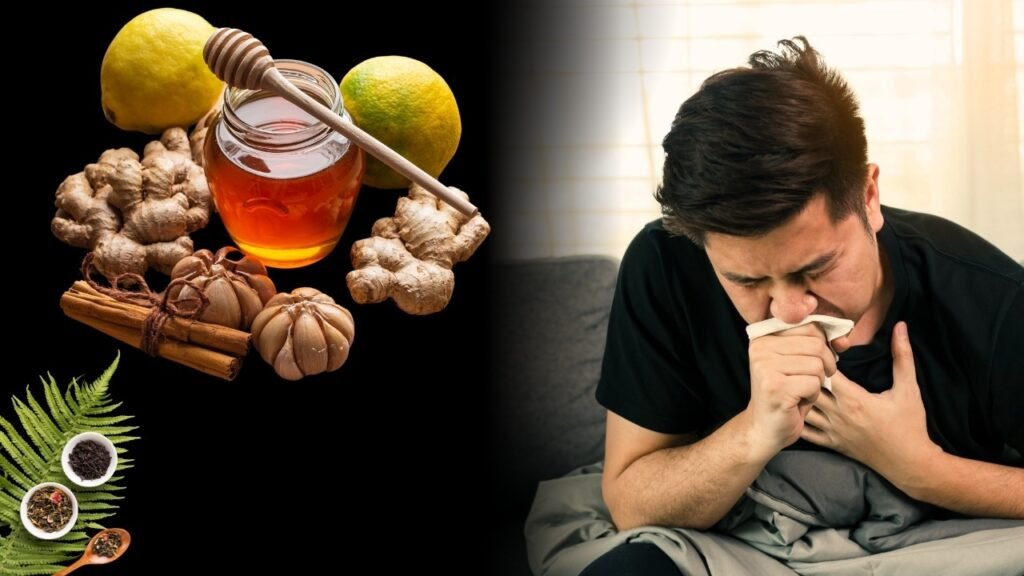
Long before over-the-counter cold medicine existed, Indian households were managing seasonal colds with kitchen staples passed down through generations. These ayurvedic remedies for cold and flu aren’t just nostalgic — many have genuine practical value backed by both tradition and some modern research interest.
The Ayurvedic View on Cold and Flu
In Ayurveda, common cold and flu are typically linked to a Kapha imbalance, often triggered by seasonal changes, cold exposure, or weakened digestion. The remedies focus on balancing this rather than just suppressing symptoms.
Quick answer: Ayurvedic remedies for cold and flu traditionally focus on warming, decongesting ingredients like ginger, tulsi, and turmeric, aimed at balancing what Ayurveda describes as a Kapha imbalance rather than simply masking symptoms.
Ginger and Honey Tea
Fresh ginger, boiled and combined with honey (added after cooling slightly, since heat destroys some of honey’s beneficial properties), is one of the most commonly used ayurvedic remedies for cold and flu, and for good reason — ginger has genuine anti-inflammatory properties.
Tulsi (Holy Basil)
- Tulsi leaves boiled into a tea help soothe throat irritation and mild congestion
- Often combined with ginger and black pepper for enhanced effect
- Has some research support for immune-modulating properties
Turmeric Milk (Haldi Doodh)
Warm milk with turmeric before bed is a household staple for a reason — curcumin’s anti-inflammatory properties combined with warm milk’s soothing effect genuinely help with throat discomfort and support restful sleep during illness.
Quick answer: Turmeric milk before bed remains one of the most trusted ayurvedic remedies for cold and flu because curcumin’s anti-inflammatory properties combine with the soothing warmth of milk to ease throat irritation and support sleep.
Steam Inhalation With Ajwain or Eucalyptus
Adding ajwain (carom seeds) or a few drops of eucalyptus oil to steaming water and inhaling helps clear nasal congestion effectively — a remedy that’s stood the test of time for good reason, and costs almost nothing.
Kadha (Herbal Decoction)
A mix of tulsi, ginger, black pepper, cinnamon, and sometimes cloves, boiled down into a concentrated decoction, became particularly popular during recent years for supporting immunity during cold and flu season. It’s warming and genuinely soothing when you’re feeling under the weather.
Honey and Black Pepper for Cough
A small spoon of honey with a pinch of black pepper works as a natural cough suppressant for many people — simple, cheap, and worth trying before reaching for stronger cough syrups for mild symptoms.
When Ayurvedic Remedies Aren’t Enough
I want to be clear here — these remedies support comfort and mild symptom relief, but a high fever, difficulty breathing, or symptoms lasting beyond a week need proper medical evaluation, not just more kadha.
Combining Traditional and Modern Approaches
There’s no real conflict between using these traditional remedies alongside standard medical advice for rest, hydration, and, when needed, prescribed medication. Many people use both together effectively.
[link to related guide on acupuncture benefits here]
FAQs
Q: Are ayurvedic remedies scientifically proven for cold and flu? Some ingredients like ginger and turmeric have research supporting their properties, though full remedies aren’t always formally studied.
Q: Can I give kadha to young children? In mild, diluted forms yes, but consult a pediatrician before giving concentrated versions to young kids.
Q: How often can I drink turmeric milk during a cold? Once daily, typically before bed, is a common and safe practice for most adults.
Q: Do ayurvedic remedies replace the need to see a doctor? No, they support comfort and mild symptoms but aren’t a substitute for medical care when needed.
Q: Is steam inhalation safe for everyone? Generally yes, but people with certain respiratory conditions should check with a doctor first.
Conclusion
These ayurvedic remedies for cold and flu — ginger tea, turmeric milk, kadha, steam inhalation — offer genuine, low-cost comfort during seasonal illness, rooted in generations of household practice. Keep them in your routine alongside proper rest and medical care when symptoms are more serious than mild.