Anxiety doesn’t always need a prescription to manage, especially in milder cases. That said — I want to be upfront — these natural ways to reduce anxiety aren’t a replacement for professional help if your anxiety is severe or persistent. They’re tools, not a cure-all.
Understand What’s Driving Your Anxiety First
Anxiety without an identifiable trigger versus anxiety tied to specific situations (work, relationships, health worries) often responds differently to natural techniques. Knowing which type you’re dealing with helps you pick the right approach.
Quick answer: Natural ways to reduce anxiety work best when matched to the anxiety’s root cause — situational anxiety responds well to breathing techniques and reframing, while generalized anxiety often needs a combination of lifestyle changes and professional support.
Breathing Techniques That Actually Work
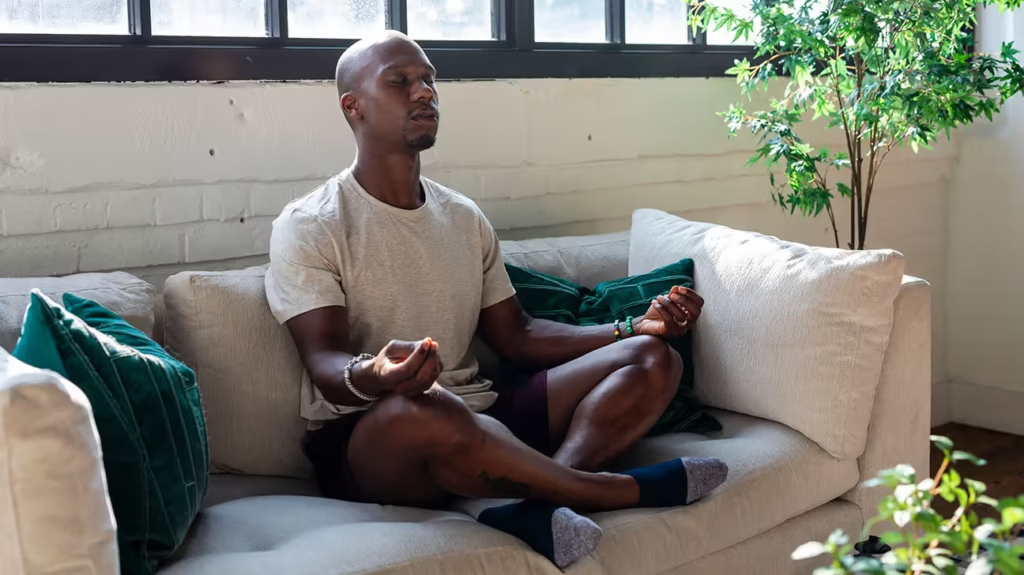
Box breathing — inhale for 4 counts, hold for 4, exhale for 4, hold for 4 — genuinely calms the nervous system within minutes. It sounds almost too simple, but the physiological effect on heart rate is well documented.
Limit Caffeine, Especially After Noon
I used to drink four cups of coffee a day and wondered why my anxiety spiked in the afternoons. Cutting back to one or two cups, and none after lunch, made a noticeable difference within about two weeks.
- Caffeine mimics stress hormone responses in the body
- Even moderate reduction helps most people feel calmer
- Herbal alternatives like chamomile can ease the transition
Regular Movement, Not Necessarily Intense Exercise
You don’t need an intense gym session — a 20-30 minute walk regulates cortisol levels effectively. Among natural ways to reduce anxiety, consistent light movement often outperforms occasional intense workouts.
Quick answer: Moderate, regular exercise like daily walking is one of the most effective natural ways to reduce anxiety, since it consistently lowers cortisol levels and improves mood-regulating neurotransmitters.
Journaling to Externalize Racing Thoughts
Writing down anxious thoughts, even messily, without trying to solve them immediately, helps get them out of the constant mental loop. Some nights I just write “I don’t know why I’m anxious” over and over — and somehow that alone helps.
Grounding Techniques for Acute Moments
The 5-4-3-2-1 technique — naming 5 things you see, 4 you can touch, 3 you hear, 2 you smell, 1 you taste — pulls your mind out of spiraling thoughts and back into the present moment quickly.
Sleep Hygiene Matters More Than People Realize
Poor sleep and anxiety feed each other in a nasty loop. Fixing sleep timing often reduces baseline anxiety levels more than any single technique on this list.
Know When Natural Methods Aren’t Enough
If anxiety is affecting your daily functioning, relationships, or work consistently for weeks, these natural ways to reduce anxiety should be a supplement to professional support, not a substitute for it. There’s no shame in that.
[link to related guide on signs of burnout and recovery here]
FAQs
Q: Can natural methods fully replace anxiety medication? For mild anxiety, sometimes yes; for moderate to severe anxiety, they usually work best alongside professional treatment.
Q: How quickly do breathing techniques work for anxiety? Often within a few minutes for acute anxiety spikes, though consistency improves baseline levels over weeks.
Q: Does diet actually affect anxiety levels? Yes, particularly caffeine, sugar, and alcohol intake all measurably influence anxiety symptoms.
Q: Is journaling really effective for anxiety? Many people find it genuinely helpful for externalizing racing thoughts, though effectiveness varies by individual.
Q: When should I see a professional instead of trying natural methods alone? If anxiety persists beyond a few weeks or interferes with daily life, work, or relationships.
Conclusion
These natural ways to reduce anxiety — breathing techniques, movement, journaling, better sleep — genuinely help for everyday stress and mild anxiety. But they work best as part of a broader approach, not as the only tool, especially if anxiety feels persistent or overwhelming. Try one technique this week, and don’t hesitate to reach out for professional support if things don’t improve.