Waking up with stiff, aching joints becomes an unwelcome routine for millions of older adults. While medical treatment plays an important role, several arthritis pain relief elderly individuals can use at home genuinely help manage day-to-day discomfort alongside prescribed treatment.
Understanding the Type of Arthritis Matters
Osteoarthritis (wear-and-tear) and rheumatoid arthritis (autoimmune) are different conditions requiring different management approaches, though some home remedies help with both to varying degrees.
Quick answer: Effective arthritis pain relief for elderly individuals often combines gentle movement, heat and cold therapy, and anti-inflammatory dietary choices — used alongside, not instead of, prescribed medical treatment.
Heat and Cold Therapy
Heat relaxes stiff muscles and improves blood flow, particularly helpful for morning stiffness. Cold reduces inflammation and swelling, better suited for acute flare-ups. Knowing when to use which makes a real difference in effectiveness.
Gentle Movement, Not Complete Rest
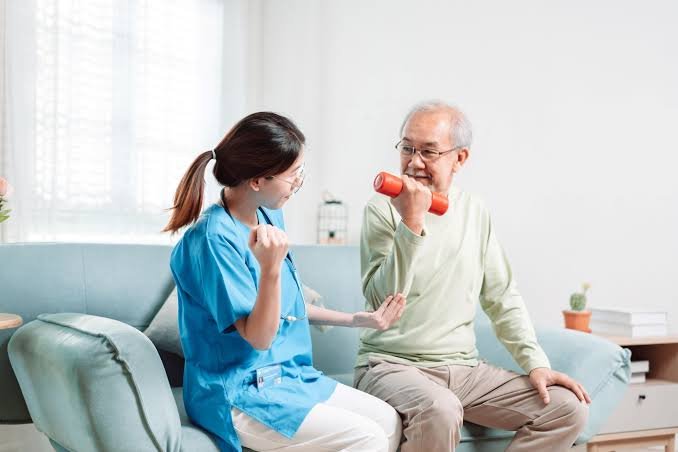
- Complete inactivity often worsens stiffness over time
- Gentle activities like walking or water aerobics maintain joint mobility without excessive strain
- Even simple range-of-motion exercises done daily help maintain flexibility
Among arthritis pain relief elderly strategies, staying appropriately active — not avoiding movement entirely — is one of the most counterintuitive but effective approaches.
Weight Management Reduces Joint Load
Every extra kilogram of body weight adds meaningful stress to weight-bearing joints like knees and hips. Even modest weight loss can noticeably reduce pain levels for many people.
Quick answer: Weight management plays a significant role in arthritis pain relief for elderly individuals, since every extra kilogram adds disproportionate stress to weight-bearing joints like the knees and hips.
Anti-Inflammatory Foods
Turmeric, ginger, fatty fish, and leafy greens all have research supporting mild anti-inflammatory effects. These aren’t miracle cures, but incorporated consistently, many people report noticeable improvement in daily discomfort.
Assistive Devices Aren’t a Sign of Weakness
I’ve noticed a lot of pride around avoiding canes or joint supports, even when they’d genuinely help. Using assistive devices when needed prevents further joint strain and actually preserves independence longer, not less.
Massage and Gentle Stretching
Regular gentle massage around affected joints can improve circulation and reduce stiffness. Combined with stretching, especially in the morning, it often eases the worst of the day’s initial stiffness.
Sleep Position and Joint Support
Proper pillow support under painful joints while sleeping — a pillow between the knees for hip or knee arthritis, for instance — can meaningfully reduce overnight discomfort and improve sleep quality.
When to Escalate to Medical Treatment
If home remedies aren’t providing adequate relief, or pain is significantly limiting daily activities, it’s time to discuss additional options with a doctor — from medication adjustments to physical therapy or, in advanced cases, surgical options.
[link to related guide on fall prevention tips for elderly here]
FAQs
Q: Can diet alone manage arthritis pain? Diet helps as a supportive measure, but usually isn’t sufficient alone for moderate to severe arthritis.
Q: Is exercise safe for someone with arthritis? Yes, gentle, appropriate exercise is generally recommended and helps rather than harms joint health.
Q: How do I know if I need heat or cold therapy? Heat for stiffness and chronic discomfort, cold for acute swelling or flare-ups.
Q: Are supplements like glucosamine effective? Evidence is mixed; some people report benefit, though results vary significantly by individual.
Q: When should arthritis pain be treated as urgent? Sudden, severe swelling, redness, or fever alongside joint pain needs prompt medical evaluation.
Conclusion
Effective arthritis pain relief elderly individuals can achieve at home combines heat/cold therapy, gentle movement, anti-inflammatory nutrition, and appropriate use of assistive devices — all working alongside proper medical care, not replacing it. Small, consistent changes often add up to meaningfully better days.