Somewhere between replying to “urgent” emails at 9 PM and feeling guilty for taking a Sunday off, most of us lost the plot on what balance even means. Good work-life balance tips aren’t about working less — they’re about protecting the hours that actually belong to you.
Redefine What Balance Actually Means
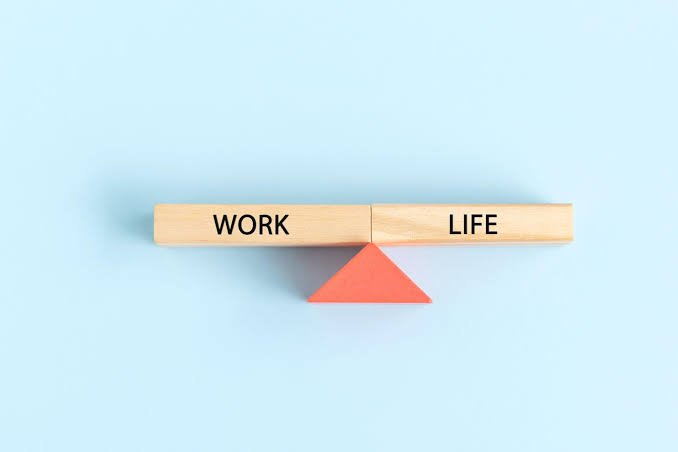
Balance doesn’t mean an even 50-50 split every single day. Some weeks work demands more; some weeks life does. Real work-life balance tips focus on balance over a month, not a rigid daily formula that breaks the moment something urgent comes up.
Quick answer: True work-life balance isn’t an equal daily split between work and personal time — it’s a sustainable rhythm measured over weeks, where neither side is chronically neglected.
Set a Hard Stop Time
Pick a time each day — 7 PM, 8 PM, whatever fits — and treat it as non-negotiable. I used to answer client messages till midnight “just to be responsive.” All it did was train people to expect midnight replies. Boundaries work both ways.
Use Your Calendar for Personal Time Too
Most people block calendars for meetings but never for personal time. Blocking “gym,” “family dinner,” or even “do nothing” on your calendar makes it visible and harder to override with “just one more task.”
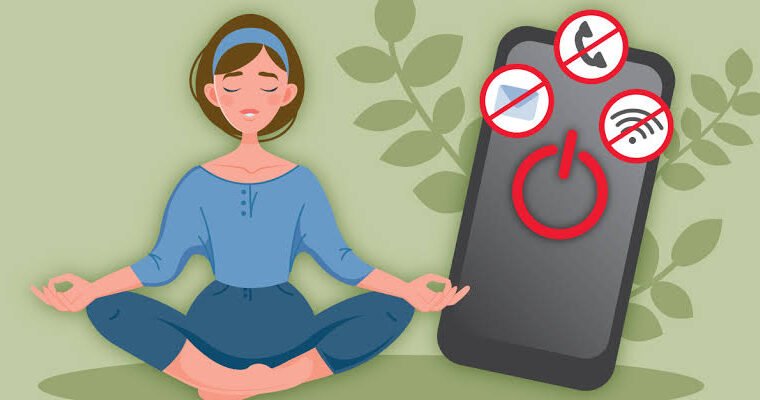
Batch Notifications Instead of Reacting Constantly
- Check email at set times (say, 10 AM, 1 PM, 5 PM) instead of constantly
- Turn off non-urgent app notifications during family time
- Use “Do Not Disturb” mode without guilt — genuinely, without guilt
Learn to Say No Without Over-Explaining
One of the better work-life balance tips I ever got: you don’t owe a three-paragraph justification for declining extra work. “I can’t take this on right now” is a complete sentence.
Quick answer: Setting healthy work-life balance boundaries often comes down to saying no clearly and briefly, without extensive justification, which reduces the chance of being talked back into overcommitting.
Physical Separation Between Work and Rest
If you work from home, having a dedicated workspace — even a small corner — makes a real psychological difference versus working from your bed or couch. Your brain starts associating that space with “off” time.
Take Actual Breaks, Not Scrolling Breaks
Scrolling Instagram during a “break” isn’t rest — it’s just a different kind of stimulation. A short walk, stretching, or even staring out the window does more for your mental reset than another screen.
Revisit Your Balance Every Few Months
What worked for you a year ago might not work now — new job, new family responsibilities, different season of life. Treat your work-life balance tips as something to revisit, not a one-time fix.
[link to related guide on digital detox here]
FAQs
Q: Is perfect work-life balance realistic? Not daily, but a sustainable rhythm over weeks and months is achievable.
Q: How do I set boundaries without seeming uncommitted at work? Communicate clearly and consistently — most managers respect defined availability more than constant burnout.
Q: Does work-life balance look different for everyone? Yes, it depends on your role, family situation, and personal energy levels.
Q: Can working from home make balance harder? Often, yes — physical separation between work and home space helps a lot.
Q: How often should I reassess my balance? Every few months, or whenever life circumstances change significantly.
Conclusion
Good work-life balance tips aren’t complicated, but they do require consistency and a willingness to set boundaries even when it feels uncomfortable at first. Start with just one — a hard stop time, or blocking personal time on your calendar — and build from there. Your evenings and weekends are worth protecting.