Seeing a bit of pink in the sink while brushing is something a lot of people just shrug off. But understanding why do gums bleed matters — it’s often your mouth’s earliest warning sign of a bigger issue, not just “brushing too hard.”
The Most Common Cause: Gingivitis
In the majority of cases, bleeding gums point to gingivitis — early-stage gum disease caused by plaque buildup along the gumline. It’s reversible at this stage, which is exactly why catching it early matters.
Quick answer: The most common reason why do gums bleed is gingivitis caused by plaque buildup, which is fully reversible with improved brushing, flossing, and professional cleaning if caught early.
Brushing Technique Might Be the Culprit
Ironically, brushing too aggressively can also cause bleeding, just from a different mechanism — physical irritation rather than disease. A soft-bristled brush with gentle, circular motions is genuinely better than scrubbing hard.
Flossing Habits (Or Lack Thereof)
- Irregular flossing lets plaque build up between teeth where a brush can’t reach
- Starting to floss after months of not flossing can cause temporary bleeding — this usually settles within a week or two
- Consistent flossing actually reduces bleeding over time, not increases it
Vitamin Deficiencies
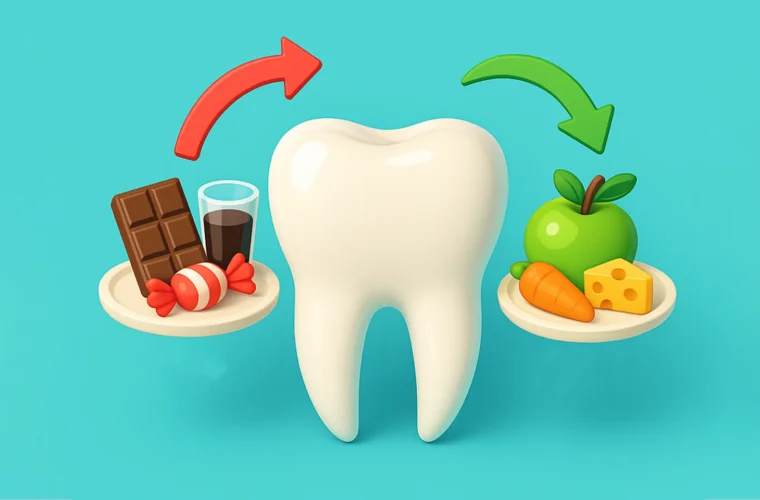
Vitamin C and Vitamin K deficiencies are surprisingly common contributors to why do gums bleed, particularly among people with limited fresh fruit and vegetable intake. Scurvy is rare today, but mild deficiency isn’t.
Quick answer: Vitamin C and K deficiencies can weaken gum tissue and blood vessel walls, making bleeding more likely even with otherwise decent oral hygiene — worth checking if bleeding persists despite good brushing habits.
Hormonal Changes
Pregnancy, menstruation, and certain hormonal shifts increase blood flow to gum tissue, making bleeding more likely even in otherwise healthy mouths. “Pregnancy gingivitis” is a genuinely recognized condition affecting many expecting mothers.
Blood Thinners and Medical Conditions
Certain medications, along with underlying conditions like diabetes or blood disorders, can also be behind why do gums bleed. If bleeding is persistent and unexplained by hygiene habits, it’s worth mentioning to your doctor, not just your dentist.
When to See a Dentist
If bleeding continues for more than a week despite improved brushing and flossing, or is accompanied by swelling, bad breath, or loose teeth, it’s time for a professional cleaning and evaluation — don’t wait for it to worsen into periodontitis.
Fixing It: A Realistic Approach
I’ll be honest, most people know they should floss more and just don’t. Start with even three times a week rather than aiming for daily perfection — consistency beats intensity here, same as most health habits.
[link to related guide on foods for stronger teeth here]
FAQs
Q: Is it normal for gums to bleed a little when I start flossing? Yes, this is common initially and typically resolves within one to two weeks of consistent flossing.
Q: Can stress cause bleeding gums? Indirectly, yes — stress can weaken immune response and worsen existing gum inflammation.
Q: Should I stop brushing if my gums bleed? No, continue brushing gently with a soft brush — stopping allows plaque to build up further.
Q: How long does gingivitis take to reverse? With consistent care, improvement is often noticeable within 1-2 weeks, fully resolved within a month.
Q: Is bleeding gums always a sign of gum disease? Not always — it can also stem from vitamin deficiency, hormonal changes, or aggressive brushing.
Conclusion
Understanding why do gums bleed turns an easy-to-ignore symptom into useful information about your oral and even general health. Most causes are manageable with better brushing technique, consistent flossing, and good nutrition — but persistent bleeding deserves a dentist visit, not a shrug. Book that cleaning appointment you’ve been postponing.