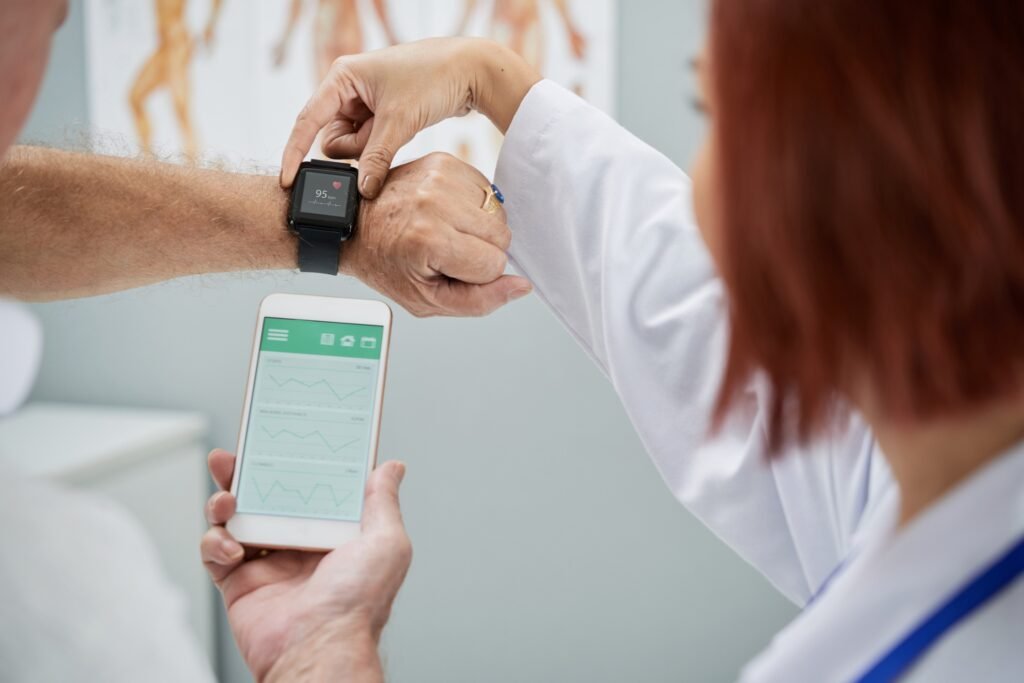
A few years back, a fitness band that counted steps felt cutting-edge. Now, wearable health devices track heart rhythm, blood oxygen, sleep stages, and even early signs of illness — genuinely useful data most people carry on their wrist without thinking twice about it.
What Modern Wearables Can Actually Track
Beyond step counting, current-generation devices measure heart rate variability, blood oxygen saturation, sleep cycles, and in some models, even ECG readings capable of flagging irregular heart rhythms.
Quick answer: Modern wearable health devices can accurately track heart rate, sleep stages, blood oxygen levels, and in premium models, ECG data — though accuracy varies by brand and metric, with heart rate and step counting being the most reliable overall.
Heart Rate and ECG Monitoring
Continuous heart rate tracking has genuinely helped some users catch irregular heart rhythms (like atrial fibrillation) they weren’t otherwise aware of, prompting earlier medical evaluation. This is one of the more medically meaningful applications, not just a gimmick.
Sleep Tracking: Useful But Imperfect
- Wearables estimate sleep stages using movement and heart rate patterns, not brain wave monitoring like a clinical sleep study
- General trends (total sleep time, consistency) are fairly reliable
- Specific sleep stage breakdowns should be taken as rough estimates, not precise clinical data
Blood Oxygen and Respiratory Tracking
SpO2 sensors in wearables gained significant attention during recent years for monitoring purposes, though it’s worth noting consumer-grade sensors aren’t as precise as medical pulse oximeters — useful for trends, less so for critical medical decisions.
Quick answer: While wearable health devices with SpO2 sensors are useful for spotting general trends in blood oxygen levels, they’re not precise enough for critical medical decisions and shouldn’t replace a proper medical pulse oximeter when accuracy genuinely matters.
Stress and Recovery Metrics
Many wearables now estimate stress levels using heart rate variability, giving users a rough daily indicator of their body’s recovery state. I’ve found this genuinely useful for deciding whether to push a workout or take it easier that day.
Data Privacy Considerations
With this much personal health data being collected, understanding where it’s stored and how it’s used matters. Reading the privacy policy of any wearable health devices you’re considering is worth the ten minutes it takes, even though almost nobody actually does it.
Limitations Worth Knowing
Wearables are screening tools, not diagnostic devices. An irregular reading should prompt a conversation with a doctor, not a self-diagnosis. They’re genuinely useful for trends and awareness, less so for definitive medical answers.
Who Benefits Most From Wearables
People managing chronic conditions, athletes tracking training load, and anyone wanting better awareness of their sleep and activity patterns tend to get the most practical value, more so than casual users who just want a step count.
[link to related guide on telemedicine and online doctor consultations here]
FAQs
Q: Are wearable health devices accurate enough to replace medical tests? No, they’re useful for trends and awareness but shouldn’t replace proper medical diagnostics.
Q: Which health metric do wearables track most reliably? Heart rate and step counting tend to be the most consistently accurate across most devices.
Q: Can a smartwatch really detect heart problems? Some models can flag irregular rhythms suggestive of atrial fibrillation, prompting further medical evaluation.
Q: Is my health data from a wearable device private? It depends on the manufacturer’s privacy policy — always worth checking before extensive use.
Q: Do I need an expensive wearable to get useful health data? Not necessarily — mid-range devices often track the fundamentals (steps, heart rate, sleep) reasonably well.
Conclusion
Wearable health devices have genuinely changed how people engage with their own health data day to day, offering useful trends around heart rate, sleep, and activity. Just remember they’re a screening tool, not a diagnostic one — use the data to inform conversations with your doctor, not replace them.