A few years ago, seeing a doctor meant taking time off work, sitting in a waiting room, and hoping the appointment didn’t run too far behind schedule. An online doctor consultation has changed that equation significantly for a lot of common healthcare needs, though it’s not a fit for everything.
How Online Consultations Actually Work
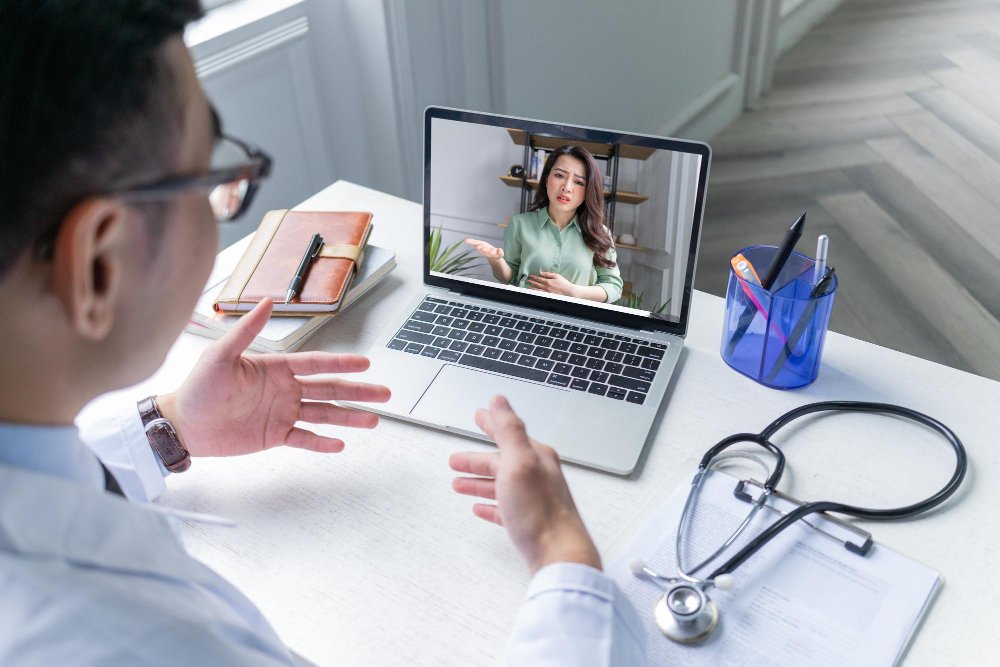
Most platforms connect you with a licensed doctor via video or chat, sometimes within minutes for general queries. You describe symptoms, the doctor asks questions, and if needed, prescribes medication or recommends further in-person evaluation.
Quick answer: An online doctor consultation typically involves a video or chat session with a licensed physician who reviews your symptoms, may ask follow-up questions, and can prescribe medication electronically for many common, non-emergency conditions.
What Conditions Suit Telemedicine Well
- Common cold, minor infections, and seasonal illness follow-ups
- Prescription renewals for stable, chronic conditions
- Mental health counseling and therapy sessions
- Skin conditions where visual assessment is often sufficient
What Still Needs an In-Person Visit
Anything requiring physical examination — checking for swelling, listening to lungs, examining a wound closely — genuinely needs an in-person visit. An online doctor consultation is a complement to physical healthcare, not a full replacement for it.
Quick answer: While an online doctor consultation works well for common illnesses and follow-ups, conditions requiring physical examination, imaging, or lab tests still need in-person care, making telemedicine a complement rather than a complete replacement.
Cost and Time Savings
Telemedicine consultations are often significantly cheaper than in-person visits, and the time saved — no travel, no waiting room — makes it genuinely practical for busy schedules or minor concerns that don’t warrant a full clinic visit.
Prescription Validity and Legal Recognition
In India, e-prescriptions from licensed telemedicine platforms are legally recognized and accepted at most pharmacies, following government telemedicine guidelines established in recent years. This wasn’t always the case, which is part of why adoption has grown so much.
Privacy and Data Security Concerns
Choosing platforms with proper data encryption and clear privacy policies matters, given the sensitive nature of health information shared during consultations. Not all platforms handle this equally well, so a bit of research before choosing one is worthwhile.
Rural Access: A Genuine Benefit
For people in areas without easy access to specialists, online doctor consultation services have opened up access to expertise that simply wasn’t available locally before. This is honestly one of the more meaningful applications of the technology, beyond just convenience for urban users.
Limitations to Keep in Mind
Technical issues, less thorough assessment than in-person visits, and the risk of misdiagnosis without physical examination are real limitations. Using telemedicine for genuinely appropriate situations, and knowing when to escalate to in-person care, matters.
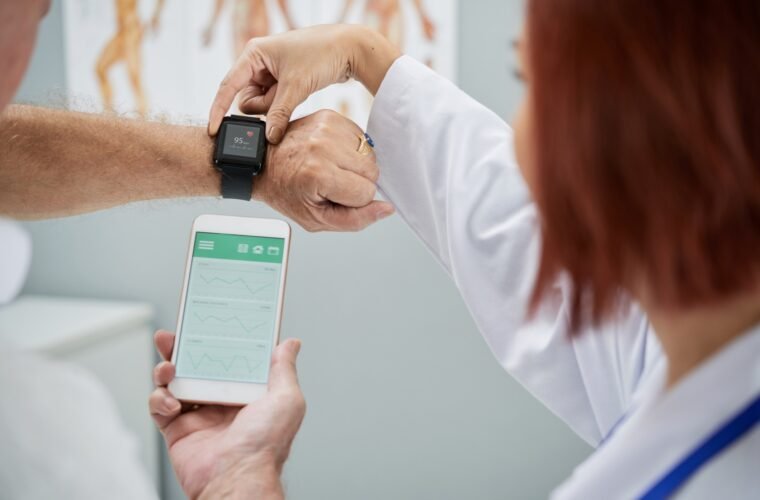
[link to related guide on wearable health devices here]
FAQs
Q: Is an online doctor consultation as effective as an in-person visit? For many common conditions yes, but it’s not a substitute when physical examination is genuinely needed.
Q: Can I get a valid prescription from an online consultation in India? Yes, licensed telemedicine platforms provide legally valid e-prescriptions under current government guidelines.
Q: How much does an online doctor consultation typically cost? It varies by platform, but generally costs less than an in-person specialist visit.
Q: Is my medical information safe during online consultations? Generally yes on reputable platforms, though it’s worth checking their specific data privacy practices.
Q: Can online consultations handle emergencies? No, emergencies always require immediate in-person or emergency medical care, not telemedicine.
Conclusion
An online doctor consultation offers genuine convenience and cost savings for common, non-emergency healthcare needs, especially valuable for follow-ups, minor illnesses, and improving access in underserved areas. Just remember its limits — anything requiring physical examination or urgent care still belongs in a clinic, not a video call.