PCOS affects an estimated 1 in 5 women in India, yet so many go undiagnosed for years, dismissing symptoms as “just stress” or “just how my body is.” Understanding real PCOS symptoms and management approaches can genuinely change quality of life, often within a few months of the right changes.
What PCOS Actually Is
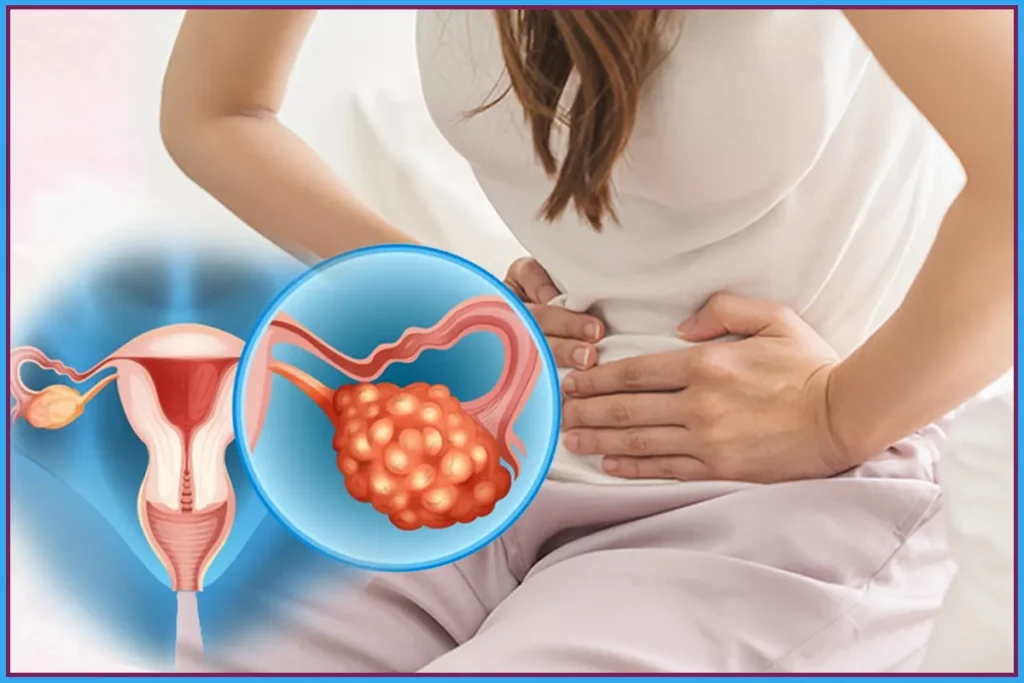
Polycystic Ovary Syndrome is a hormonal condition affecting ovulation, often linked to insulin resistance. It’s not just about ovarian cysts — the name is honestly a bit misleading, since not everyone with PCOS even has visible cysts.
Quick answer: PCOS symptoms and management both center around the condition’s hormonal roots — irregular periods, excess androgen effects, and insulin resistance — meaning treatment focuses on addressing these underlying factors, not just surface symptoms.
Common Symptoms People Miss
- Irregular or missed periods, sometimes for months at a stretch
- Excess facial or body hair growth (hirsutism)
- Persistent acne, especially along the jawline
- Difficulty losing weight despite reasonable diet and exercise
- Thinning hair on the scalp, oddly opposite to body hair growth
The Insulin Resistance Connection
A huge number of PCOS cases involve underlying insulin resistance, even in women who aren’t overweight. This connection matters because managing blood sugar often improves multiple PCOS symptoms simultaneously, not just one.
Quick answer: Insulin resistance underlies many PCOS symptoms and management strategies address this directly — reducing refined carbs and increasing protein intake often improves periods, skin, and energy levels together.
Dietary Changes That Actually Help
Reducing refined sugar and processed carbs, increasing protein and fiber, and spacing meals to avoid blood sugar spikes all support hormonal balance. This isn’t about extreme restriction — moderate, consistent changes work better long-term.
Exercise Matters, But Not How You’d Think
Excessive intense cardio can sometimes worsen PCOS symptoms by raising cortisol. Strength training combined with moderate cardio tends to work better for insulin sensitivity than hours of running.
Sleep and Stress Management
I’ve noticed women with PCOS often report symptom flares directly tied to high-stress periods — missed periods, worse acne, more cravings. Managing stress isn’t just “nice to have” here, it’s a genuine part of PCOS symptoms and management.
When Medical Treatment Becomes Necessary
Lifestyle changes help significantly, but many women also need medical support — birth control for cycle regulation, metformin for insulin resistance, or fertility treatment if trying to conceive. There’s no shame in needing more than diet and exercise.
Getting an Accurate Diagnosis
PCOS is often diagnosed through a combination of symptoms, blood tests (hormone levels), and ultrasound — no single test confirms it alone. If your symptoms match but a doctor dismissed you quickly, a second opinion is reasonable.
[link to related guide on hormonal imbalance in women here]
FAQs
Q: Can PCOS be cured completely? No, but symptoms can be effectively managed long-term through lifestyle and medical support.
Q: Does PCOS always cause weight gain? No, some women with PCOS maintain a healthy weight while still experiencing other symptoms.
Q: Can I get pregnant with PCOS? Yes, though it may require additional support like ovulation-inducing medication or fertility treatment.
Q: Is PCOS only about irregular periods? No, it affects skin, hair, weight, mood, and long-term metabolic health too.
Q: How long does it take to see improvement with lifestyle changes? Many women notice changes within 2-3 months of consistent dietary and exercise adjustments.
Conclusion
Recognizing real PCOS symptoms and management strategies early makes a genuine difference in long-term health outcomes, not just symptom relief. If your symptoms sound familiar, don’t dismiss them as normal — get properly evaluated and start with dietary and lifestyle changes alongside medical guidance where needed.