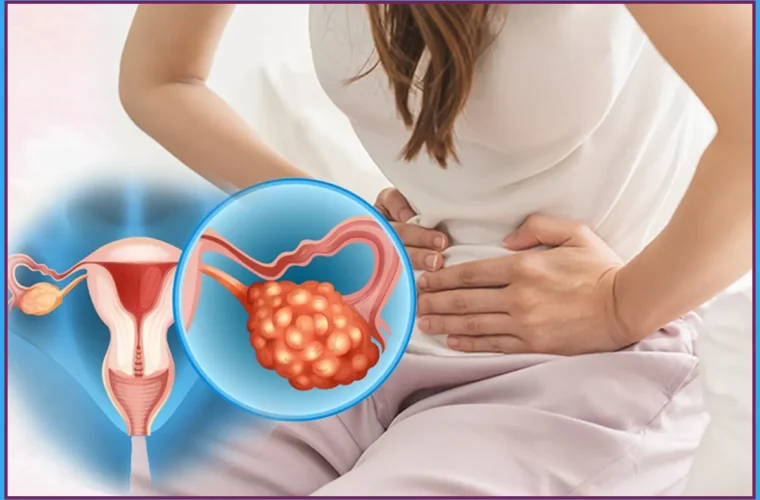
“Maybe it’s just hormones” gets said so often it’s become a joke — but genuine hormonal imbalance symptoms women experience deserve more attention than a shrug and a laugh. These signals are your body communicating something real.
What Counts as a Hormonal Imbalance
Hormones regulate nearly everything — mood, metabolism, sleep, reproductive cycles. An imbalance simply means these levels have shifted outside their typical range, which can happen for dozens of reasons, from age to stress to underlying conditions.
Quick answer: Hormonal imbalance symptoms women commonly experience include irregular periods, unexplained weight changes, mood swings, and fatigue, all of which stem from shifts in estrogen, progesterone, thyroid, or insulin levels.
Irregular or Heavy Periods
Cycles that vary wildly month to month, or periods that are unusually heavy or painful, often point to an underlying hormonal shift rather than “just how your body is.”
Unexplained Weight Changes
- Sudden weight gain despite no diet changes can indicate thyroid or insulin issues
- Difficulty losing weight despite consistent effort often ties back to hormonal factors
- Weight distribution changes (more around the midsection) can signal cortisol involvement
Mood Swings and Anxiety
Estrogen and progesterone directly influence neurotransmitter activity, which is why hormonal shifts often show up as mood changes before any physical symptom appears. This is one of the more dismissed hormonal imbalance symptoms women report to doctors.
Quick answer: Mood swings tied to hormonal imbalance in women often occur because estrogen and progesterone directly affect serotonin and other neurotransmitters, making emotional symptoms an early and legitimate physical sign, not “just being emotional.”
Skin and Hair Changes
Adult acne, especially along the jawline, along with hair thinning or excess facial hair growth, frequently ties back to androgen-related hormonal shifts, often connected to conditions like PCOS.
Fatigue That Doesn’t Improve With Sleep
Persistent tiredness despite adequate rest is a common thread across thyroid issues, adrenal fatigue, and general hormonal disruption. If this sounds familiar, it’s worth a basic hormone panel rather than just pushing through.
Sleep Disturbances
Falling asleep fine but waking frequently, or struggling with insomnia around your period, connects directly to progesterone fluctuations. Perimenopause especially tends to disrupt sleep this way.
Age-Related Hormonal Shifts
Perimenopause, which can begin in the late 30s or 40s, brings a wave of hormonal changes that catch many women off guard because they expected menopause symptoms to arrive later and more suddenly than they actually do.
When to Get Tested
If you’re noticing multiple symptoms from this list persisting for more than a couple months, a hormone panel (including thyroid, estrogen, progesterone, and sometimes testosterone) gives real answers rather than guesswork.
[link to related guide on PCOS symptoms and management here]
FAQs
Q: Are hormonal imbalances only related to reproductive hormones? No, thyroid and insulin hormones are just as commonly involved.
Q: Can stress alone cause hormonal imbalance? Yes, chronic stress affects cortisol, which in turn can disrupt other hormone levels.
Q: Is hormonal imbalance more common at certain ages? It can occur at any age, but puberty, postpartum, and perimenopause are particularly common windows.
Q: What tests check for hormonal imbalance? A blood panel covering thyroid function, estrogen, progesterone, and sometimes cortisol is typical.
Q: Can diet alone fix hormonal imbalance? Diet helps significantly, but some imbalances need medical treatment alongside lifestyle changes.
Conclusion
Recognizing genuine hormonal imbalance symptoms women experience — mood shifts, irregular cycles, fatigue, skin changes — is the first step toward actually addressing them instead of normalizing discomfort for years. If these symptoms sound familiar, book a hormone panel and start the conversation with your doctor properly.